Game Designer
Slay the Galaxy


Team Size: 6
OverView
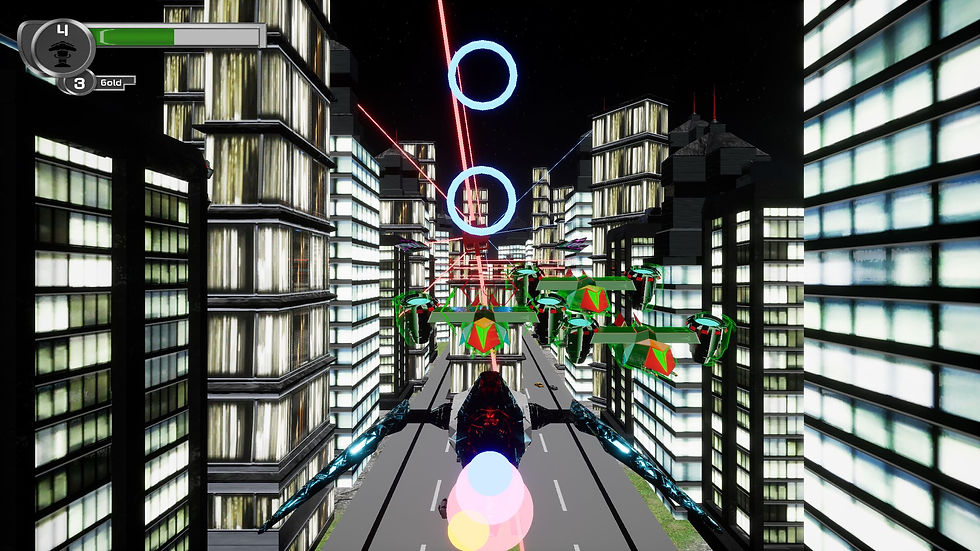
Slay the Galaxy is a railed rouge-like shooter that the player only has one health and has to get through every level as it gets more challenging. This project has been in production for at least 3-4 months which consists of a team of 6. We had to make a feature list and add to it throughout the months and follow on what we put on it. There are 3 sets of 4 levels which each level has a boss at the end of each. Each set of levels has a theme to it. Some of the levels introduce the player to a new challenge for they get a new experience as they play through and won't feel like they are playing the same thing every time. Every time the player completes a level they are taken to a loot screen which they can choose a free upgrade or get a chance to enter the shop to purchase any upgrade that pops up. Communication throughout this whole process was one of the biggest strengths we had and there wasn't a moment of it where we had a problem. One of the difficult parts that we didn't seem to do was play-testing at first but near the end we got into the habit of making a build and play-testing constantly to find bugs and various other problems to fix them before the deadline. During this project I was able to show off my skill and being able to work with a team throughout the whole process of it while enjoying every bit of it.
Responsibilities:
-
Designing and making 2 levels that fit that pace of the game
-
Made pickups that enhanced the players weapons
-
Upgraded basic laser into 3 different stages
-
A special weapon ammo pickup
-
A life steal on the basic laser
-
-
Created a EMP weapon that disables enemy ships shooting
-
Created falling buildings/rocks that simulate physics and hurt that player upon contact
-
Created some materials to give some PFI
-
Made a blinking red material when the players health is low or hit
-
Made a shield material that moves a texture within it
-
Made a static looking material that wraps around the ship to give an armor effect
-
-
Created a armor that reduces the amount of damage taken to the player (has 5 different tiers)
What went right:
1. Communication
Communication was one of the biggest strengths throughout this project. There wasn't a single moment where there was a miscommunication. Everyone on the team knew what had to be done and how long they had to get it done till the deadline. When someone had to fiddle with something that someone else was working on we would always tell each other when we were using it for a time being. We would always be online and in a call talking to each other about what's going with everyone's work and how it's going. Every day was constant communication which really helped us get this project on where it needed it to go and get it where it is today.
2. Planning
Planning was another big factor in this project. The team would always discuss what we wanted to do next and add things to the GDD or the feature list before we even had to do it. Planning helped us get work done in a timely fashion without having any issues. Keeping a Trello board also played a factor in it as well, we kept a log of everything that to be done and bugs that had to be fixed which helped everyone know what had to be done.
What went wrong:
1. Playtesting
Playtesting was a bit of an issue for us because we just kept working on things instead of taking a break and seeing if everything worked together with no issues. Even though everything was getting done in a timely fashion, sometimes the things that we worked on wouldn't work and had to fix it last minute since that's when we decided to playtest everything. Even though this was a problem throughout the 3-4 months working on the project we did start getting into the habit of playtesting since we understood the importance of it.
Try out Slay the Galaxy for yourself.